
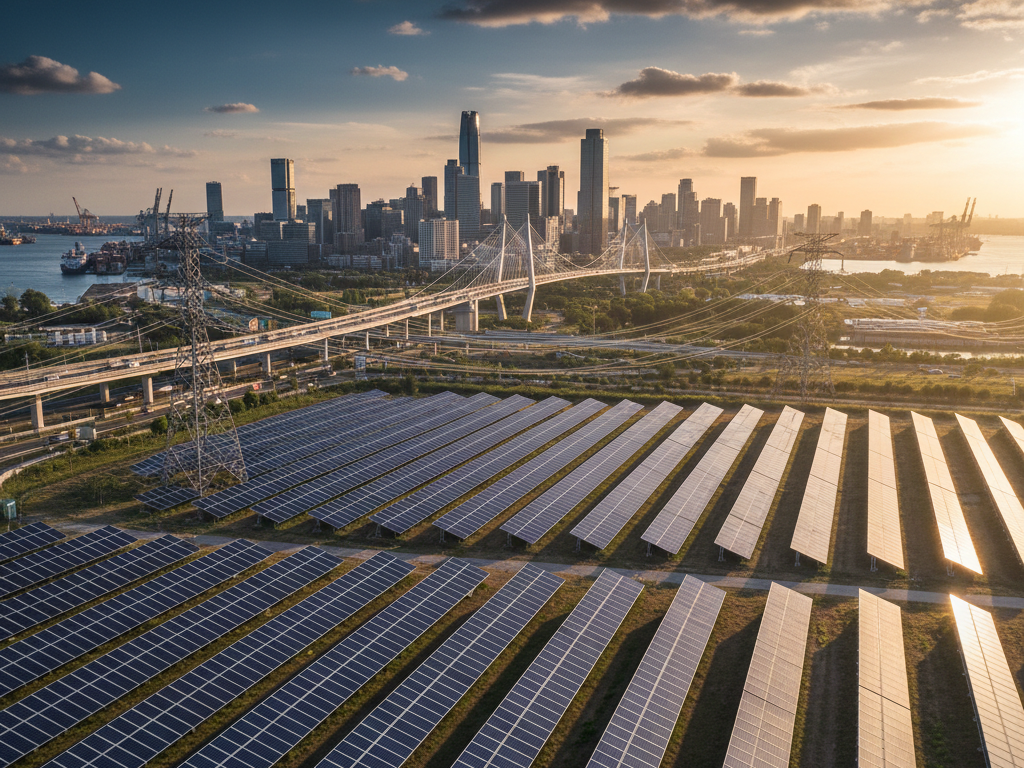
Solar energy has become one of the most important pillars of the global shift toward clean and renewable power. With rising energy costs and increasing demand for sustainable solutions, businesses and governments are rapidly investing in solar power as a reliable, cost-effective, and environmentally friendly alternative.
What Is Solar Energy?
Solar energy refers to the conversion of sunlight into electricity using solar panels (PV modules) or solar thermal systems. It is a renewable energy source that is abundant, low-maintenance, and suitable for both small-scale and large-scale projects.
Key Benefits of Solar Power
1. Significant Reduction in Energy Costs
Solar power helps businesses cut long-term electricity expenses. Once installed, solar panels generate electricity at almost zero operational cost, stabilizing energy prices and reducing dependency on fossil fuels.
2. Clean and Environmentally Friendly
Solar energy produces no emissions during operation. Switching to solar power reduces carbon footprint, improves air quality, and supports global sustainability goals.
3. High Solar Potential in Many Regions
Countries in the Middle East and Asia benefit from strong solar irradiation levels. Places like Iran, Oman, and the Gulf region offer ideal conditions for high-efficiency solar plants.
4. Rapid Technology Improvements
New high-efficiency panels, smarter inverters, and advanced monitoring systems allow modern solar plants to produce more power with less land and lower cost.
5. Energy Independence for Businesses
Solar projects help companies secure stable, predictable electricity — especially important for industries facing energy volatility or high grid tariffs.
How Solar Power Helps Businesses Grow
Solar energy is more than a sustainability initiative; it is a strategic investment. Businesses using solar power benefit from:
- Lower operational costs
- Higher ESG scores
- Better brand reputation
- Compliance with international green standards
- Long-term financial savings
Many companies now integrate solar plants into their operations to gain energy security and modernize their infrastructure.
Applications of Solar Energy
Solar power can be used across many sectors:
- Industrial facilities
- Commercial buildings
- Agricultural farms
- Warehouses and logistics centers
- Remote off-grid locations
- Utility-scale solar power plants
Its flexibility is one of the reasons solar energy is growing faster than any other renewable technology.
Why Solar Energy Is the Future
With global energy demand increasing and fossil fuel resources becoming less reliable, solar power offers a long-term, sustainable solution. Improved efficiency, lower costs, and government incentives are accelerating the development of solar projects around the world.
Conclusion
Solar energy is transforming the global energy landscape. Whether for industries, businesses, or utility-scale development, solar power provides a clean, affordable, and highly scalable energy solution. For regions with strong sunlight — especially the Middle East and Asia — investing in solar energy is not just an option; it is a strategic advantage.